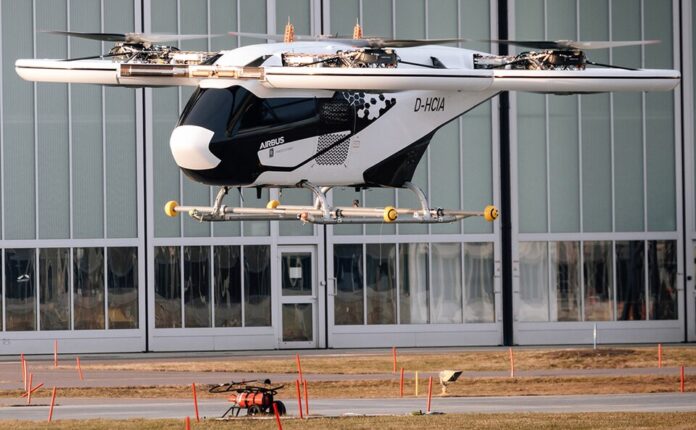
The global air ambulance sector is entering a period of rapid transformation as electric vertical take-off and landing aircraft move from experimental concepts to real-world medical operations. Industry analysts have observed that 2026 is expected to be the pivotal year when eVTOL aircraft begin large-scale commercial deployment, fundamentally reshaping urban emergency medical response.
Why eVTOLs Are Reshaping Air Ambulance Economics
A major reason eVTOL aircraft are gaining momentum in air ambulance services is their potential to cut urban response costs by nearly 50 percent. This shift is driven by the core design differences between electric aircraft and conventional helicopters. Electric propulsion systems contain far fewer moving parts than internal combustion engines, which significantly reduces maintenance complexity and long-term operating expenses.
Energy costs also play a critical role. Electricity is substantially cheaper than aviation-grade fuel, allowing operators to price certain missions closer to premium ground ambulance services rather than traditional helicopter flights. Additionally, emerging manufacturers are designing aircraft with faster capital recovery cycles, enabling operators to achieve returns within two to three years per aircraft, far quicker than legacy aviation models.
Urban Efficiency and Faster Emergency Response
In congested metropolitan areas, eVTOL-enabled air ambulance operations are expected to dramatically improve emergency timelines. Urban journeys that may take an hour by road can potentially be reduced to around ten minutes by flying directly to hospitals or incident locations.
Another advantage lies in infrastructure flexibility. Unlike helicopters that require dedicated helipads, eVTOLs are designed to operate from compact urban spaces such as rooftops and purpose-built vertiports. This allows tighter integration with hospitals and trauma centers. Noise reduction further strengthens their urban appeal, as modern eVTOL designs operate at sound levels low enough to meet residential area restrictions.
Global Progress Toward 2026 Deployment
Several regions are already advancing toward eVTOL-enabled air ambulance networks. In the United States, leading manufacturers have achieved critical certification milestones, accelerating readiness for commercial operations. India is preparing for one of the world’s largest eVTOL air ambulance rollouts through major deployment agreements aimed at improving access in densely populated cities. Across Europe, emergency service organizations have conducted extensive simulations to integrate eVTOL aircraft into national medical response frameworks.
Current Limitations and Future Outlook
Despite their promise, eVTOL air ambulance aircraft currently have range limitations, typically between 30 and 200 kilometers. This makes them ideal for short-range urban missions rather than long-distance intercity transfers. Even so, as battery technology improves, their role within global air ambulance systems is expected to expand significantly.